ACCREDITATION

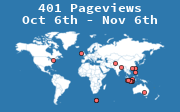
| Journal Title | Sphatika: Jurnal Teologi English parallel title: Sphatika: Journal of Theology |
| Initials | Sphatika |
| DOI Prefix | 10.25078 — registered through Crossref Article DOI pattern: 10.25078/sphatika.v[volume]i[issue].[id] |
| Publication Frequency | Two issues per year (March and September) |
| Online ISSN | 2722-8576 |
| Print ISSN | 1978-7014 |
| Editor-in-Chief | Ida Bagus Subrahmaniam Saitya ORCID | Google Scholar |
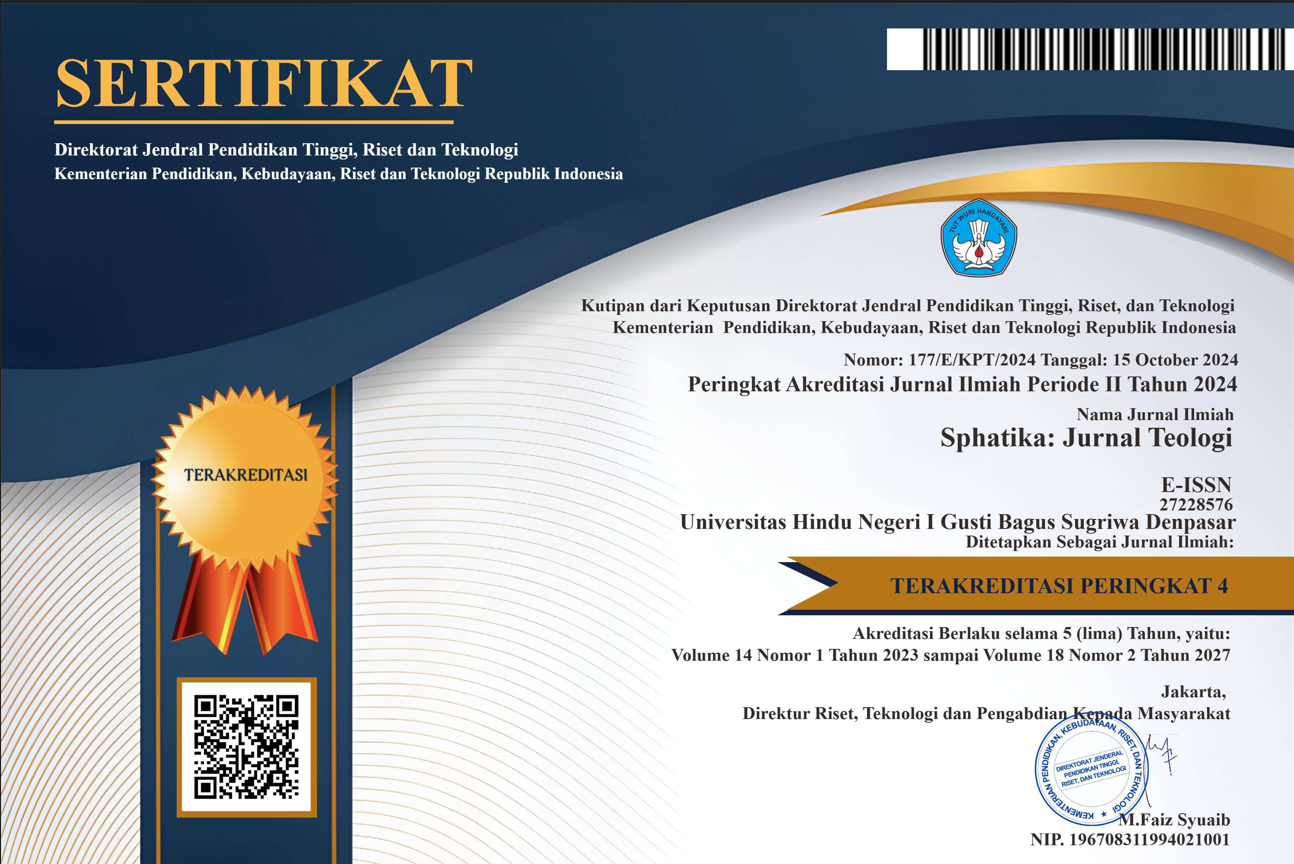
| National Accreditation | SINTA 4 Accredited from Vol. 14 No. 1 (2023) to Vol. 18 No. 2 (2027) under the Decree of the Director General of Higher Education, Research, and Technology, Ministry of Education, Culture, Research, and Technology No. 177/E/KPT/2024. |
| Indexing and Discovery | SINTA, Garuda, Crossref, Dimensions, Base, OneSearch, OpenAlex, dan Google Scholar. |
| Universitas Hindu Negeri I Gusti Bagus Sugriwa Denpasar, managed by the Department of Hindu Theology. | |
| Partnership | Partnership with Forum Generasi Muda Lintas Agama Kota Denpasar. View Document |
| Language | Bahasa Indonesia and English (abstracts in both languages) |
| Peer Review | Double-blind peer review |
| Article Processing Charge | None — no submission or publication fees |
| License | Creative Commons Attribution-NonCommercial-ShareAlike 4.0 International (CC BY-NC-SA 4.0) |
| Similarity Check | All manuscripts are screened for plagiarism before review (maximum similarity: 20%) |
Sphatika: Jurnal Teologi [Sphatika: Journal of Theology] is a peer-reviewed, open-access journal devoted to the scholarly study of theology across religious traditions. Published by Universitas Hindu Negeri I Gusti Bagus Sugriwa Denpasar and managed by the Study Program of Hindu Theology, the journal provides a forum for original research and critical reviews on Hindu, Christian, Islamic, Buddhist, and other theologies, as well as on religious studies, religious literature, and the cultural expressions of religion. Taking its name from sphaṭika, the clear crystal that reflects light without distortion, the journal aspires to present religious knowledge with clarity, rigour, and integrity, so that each tradition may be understood in its own terms and in dialogue with others. While Sphatika holds a particular strength in the Hindu textual and ritual heritage of Bali and the wider Nusantara, it is equally committed to theological inquiry from every faith tradition, and welcomes contributions from scholars of all backgrounds working in confessional, comparative, and interdisciplinary perspectives.
ACCREDITATION
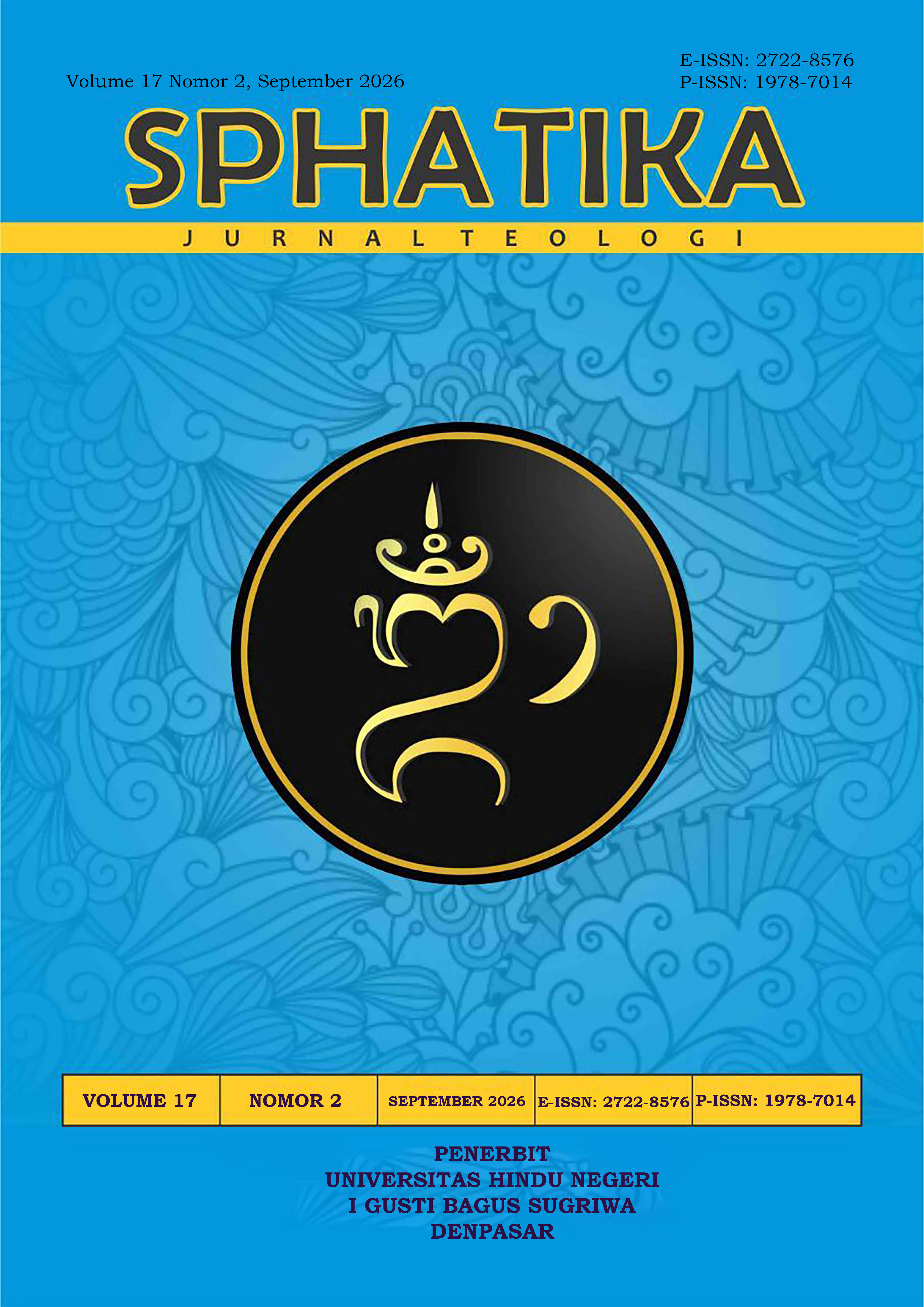
VISITOR STATISTIC

ARTICLE TEMPLATE


SUGGESTED TOOLS


INDEXING






PARTNERSHIP



This Journal is Published by:

Universitas Hindu Negeri I Gusti Bagus Sugriwa Denpasar
Jalan Ratna Nomor 51, Denpasar, Bali 80237, Indonesia
E-ISSN 2722-8576 & P-ISSN 1978-7014
Platform and Workflow by:


This work is licensed under a Creative Commons Attribution-NonCommercial-ShareAlike 4.0 International License (CC BY-NC-SA 4.0).